Puerto Vallarta, one of Mexico’s most iconic coastal destinations, is once again confronting a problem that hits at the core of urban life: garbage collection. What began as a partial service disruption has now escalated into a deeper and more complex crisis—one that threatens public health, daily routines, and the city’s carefully crafted image as a tropical paradise.
Over the weekend, Red Ambiental, the private company responsible for waste collection and transportation in the city, announced a partial suspension of services after months of unresolved payments from the municipal government. According to the company, the city owes nearly 110 million pesos, with outstanding balances dating back to May, totaling seven months of non-payment.
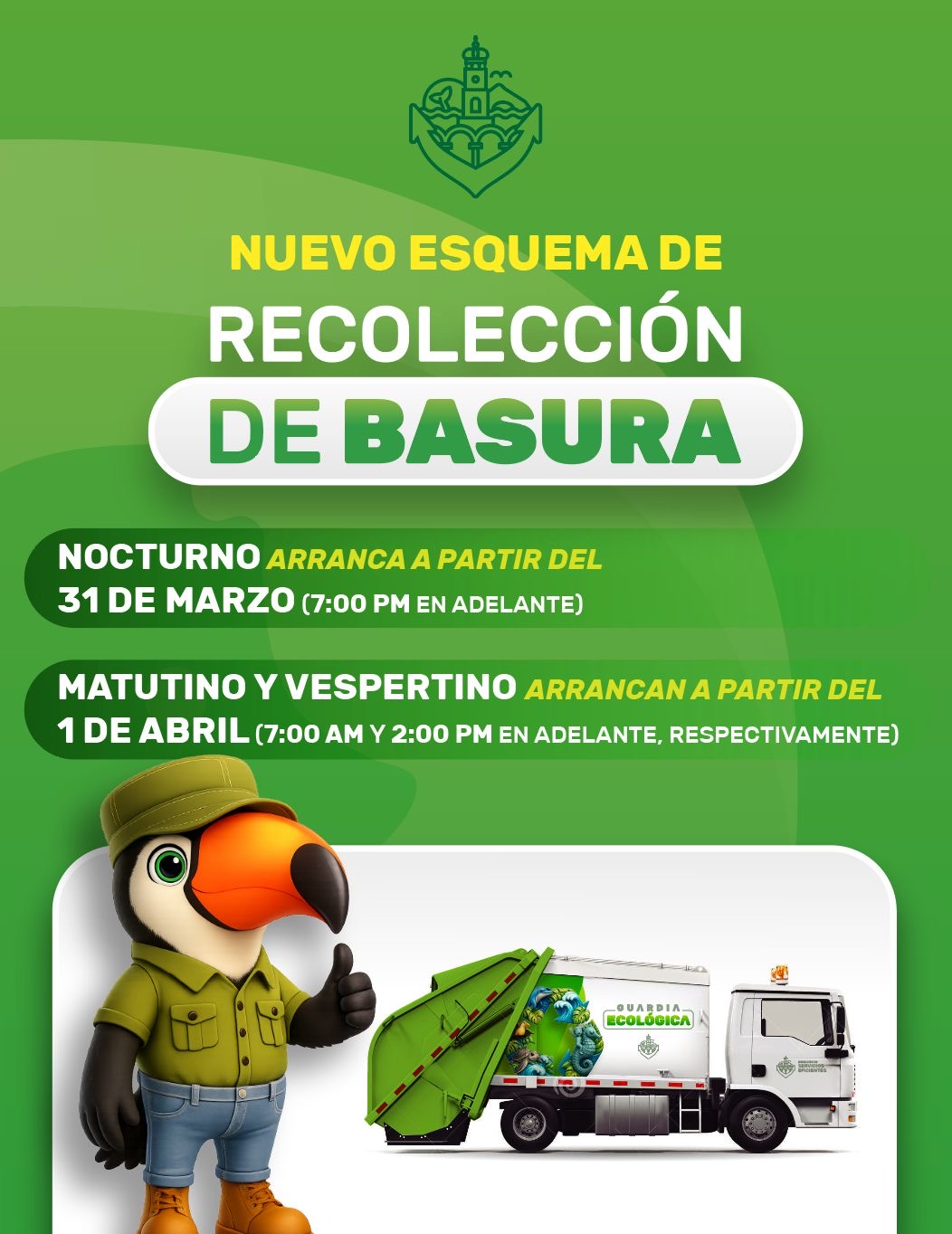
The initial response from City Hall was an emergency plan: deploying old municipal trucks to cover approximately 15% of the affected routes. While this prevented a total system collapse, it quickly became clear that the measure was not enough.
Now, the situation has worsened.
This week, Red Ambiental confirmed it has increased the service cut to 30% of all collection routes, doubling the initial reduction. Company spokesperson Miguel Moreno explained that despite ongoing communication with municipal authorities, the financial situation remains unresolved, forcing the company to intensify the restrictions in order to remain operational.
“We are trying to avoid a total shutdown,” Moreno said, stressing that the cuts are being applied strategically and rotationally, so that no single neighborhood is left without service for too long. The goal, he said, is to minimize the impact on residents and on Puerto Vallarta’s image during peak tourist season.
But the consequences are already visible across the city.

In El Cerro, a historic and centrally located neighborhood, trash containers have overflowed at key intersections like Miramar and Pípila. Residents report that collection trucks removed only some bags from sidewalks, leaving full containers untouched—something that rarely happened before.
Just a few blocks away, at Guerrero and Miramar, piles of garbage were seen in the open on Monday morning, steps away from the Río Cuale Market, a busy area for both locals and tourists. Even in Versalles, one of the city’s trendiest and fastest-growing neighborhoods, delays have been reported, forcing business owners and residents to file complaints before trucks eventually arrived.
Adding fuel to the fire is a long-standing issue: many citizens continue to place trash outside designated hours, accelerating accumulation and making the situation even harder to control.
The numbers reveal the scale of the challenge. Puerto Vallarta generates an average of 444 tons of waste per day, a figure that climbs to 600 tons daily during high season, which is exactly where the city is now.
Red Ambiental has urged residents to only take out their trash when they hear the collection truck and to keep waste inside their homes until service is confirmed. The company has also stated that full service will only be restored once the municipal government settles the debt.
Despite the tension, both sides claim to remain in dialogue. The company says it is committed to Puerto Vallarta and hopes the crisis will be temporary—but also made it clear that payment is the only real solution.
For now, the city finds itself walking a fragile line between emergency measures and unresolved negotiations. And as garbage quietly accumulates in corners of paradise, one uncomfortable question lingers in the air:
How long can a world-class tourist destination afford to live with its trash?